

Fire Hydrant
Building Essential Lifelines
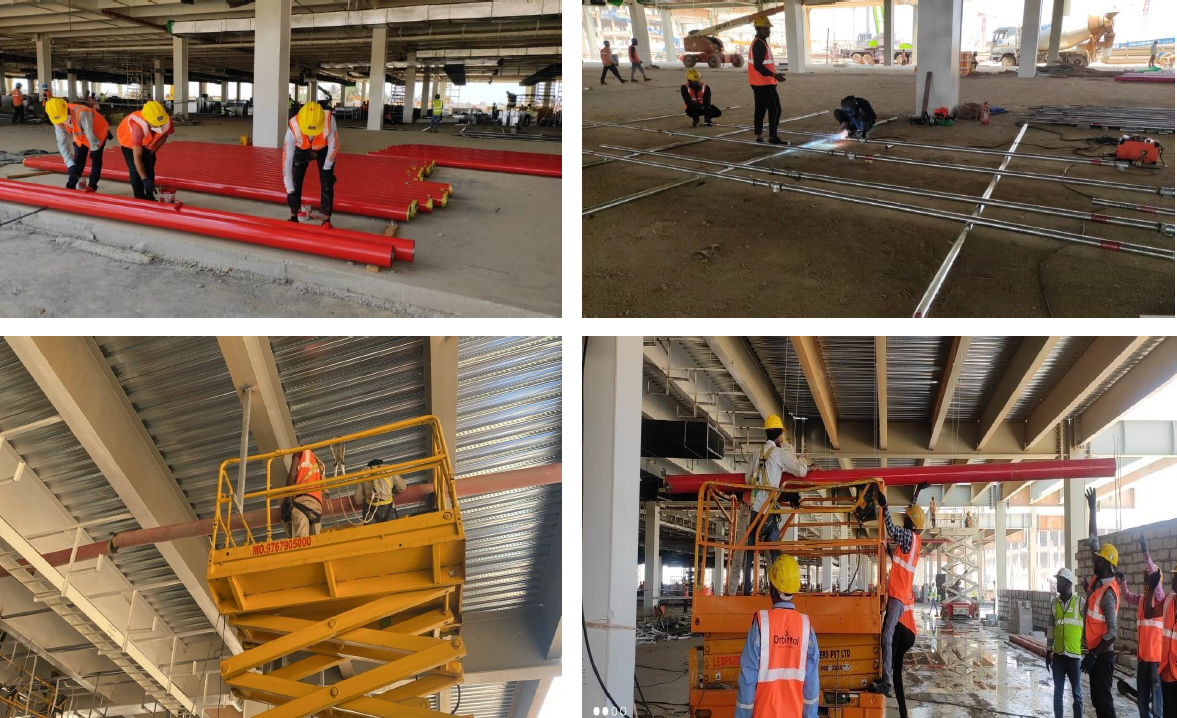
At Proensafe MS Pvt Ltd, we understand that a fire hydrant facility is far more than just a structure; it’s a critical component in safeguarding lives and property. Specializing in building essential lifelines, we construct these vital facilities with unwavering precision and adherence to the highest safety and engineering standards. Our expertise ensures that every aspect, from the robust infrastructure to the seamless integration of water supply systems, is designed for immediate and reliable functionality when it matters most. We are committed to delivering facilities that stand as resilient pillars of community safety, providing peace of mind and protection for years to come.
Foxconn
Bengaluru, India
12 Aug 2022
1Year, 6Months
₹90L
₹85L
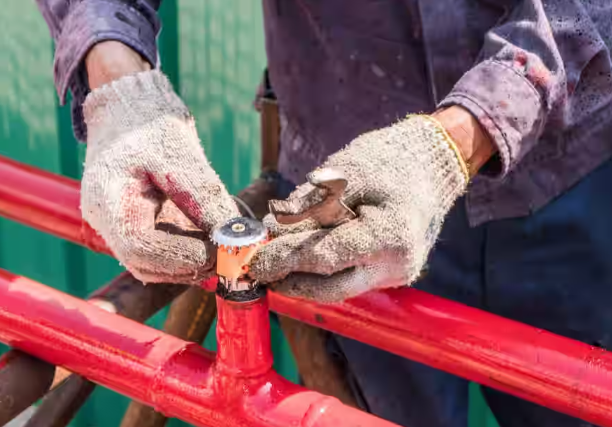
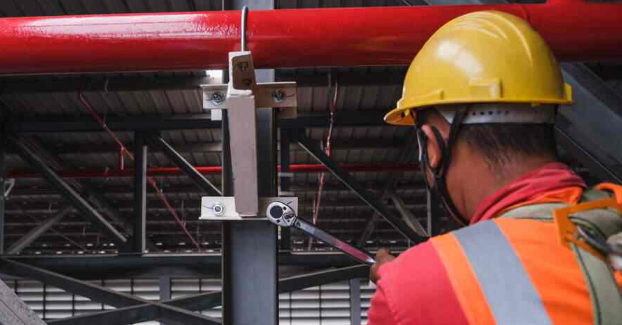
At Proensafe MS Pvt Ltd, safety is the bedrock of every fire hydrant facility we construct. We understand that the integrity of these vital systems is paramount to public safety, which is why our construction process adheres to the most rigorous standards. From initial site assessment and excavation to the final installation and testing of all components, we implement comprehensive safety protocols. Our skilled teams are extensively trained in working with high-pressure systems and specialized equipment, strictly following industry best practices and all relevant Indian safety codes. We ensure meticulous attention to detail, robust material selection, and precise execution to deliver fire hydrant facilities that are not only built to last but are also engineered for optimal, safe, and reliable performance when they’re needed most.
“We engineer and construct robust fire hydrant facilities, building critical infrastructure designed for immediate, reliable performance in emergencies.”
Constructing a fire hydrant facility is a profound act of foresight and protection, an undertaking that goes far beyond concrete and pipes. It’s about meticulously building the backbone of community safety, creating an invisible network that stands ready to defend lives and property against the unpredictable threat of fire. Every expertly laid pipe and every precisely installed valve contributes to a vital system, a silent guardian waiting to unleash its life-saving power at a moment’s notice. This is more than just infrastructure; it’s a testament to our commitment to resilience, ensuring that when emergencies strike, the essential resources are in place to safeguard our shared future.
0+
We’ve had so many compliments from friends and family0+
Our dedication to sustainable building practices0+
Success rate of bot case completion0+
Hours delivered back to the businessWhat are the key components of a fire hydrant facility?
Typically includes: a dedicated water storage tank (underground or overhead), fire pumps (main electric, standby diesel, jockey pump), a pump house, a network of pipelines (ring mains), external and internal hydrants/landing valves, hose reels, fire brigade inlets, and associated control panels and instrumentation.
How is the water supply ensured for the facility?
t's usually connected to a reliable municipal water supply, but a dedicated static water tank (underground or overhead) with sufficient capacity is mandatory to ensure continuous supply for firefighting.
Do I need a Fire No Objection Certificate (Fire NOC) for a fire hydrant facility?
Yes, for most significant buildings and industrial facilities that require a fire hydrant system, a Fire NOC from the State Fire Department is mandatory. This involves approvals of plans, regular inspections, and final certification.
What are the regulations regarding the location and spacing of hydrants?
IS 13039 specifies spacing (e.g., typically 30m for high-hazard industries, 45m for moderate hazard), distance from buildings (not less than 2m, up to 15m for hazardous storage), and accessibility requirements.
What materials are used for the piping network, and how is their durability ensured?
Common materials include ductile iron, mild steel, or HDPE, selected based on pressure requirements, longevity, and cost-effectiveness. We ensure materials comply with relevant IS codes and are installed with proper jointing, corrosion protection (for underground pipes), and support.
What kind of testing is done after the fire hydrant facility is built?
Rigorous testing includes hydrostatic pressure testing of pipelines, functional testing of pumps (jockey, main, diesel standby), flow and pressure tests at all hydrant points, and alarm system integration checks to ensure the system meets design specifications and regulatory requirements.
What are the recommended maintenance practices for a fire hydrant system?
Regular maintenance is crucial and includes weekly/monthly checks of pump functionality, pressure gauges, valve integrity, tank water levels, and the condition of hoses and nozzles. Annual comprehensive inspections and servicing are also essential.
How often should the system be inspected and certified?
As per Indian regulations, fire safety systems, including hydrants, require periodic inspection and certification (often annually) by authorized agencies or the Fire Department to ensure continued compliance and functionality.
Related Project
From ₹2Cr
RC Builders
15 Oct 2019
2Y, 3M
Residential Constructions
Project Home Building Essential
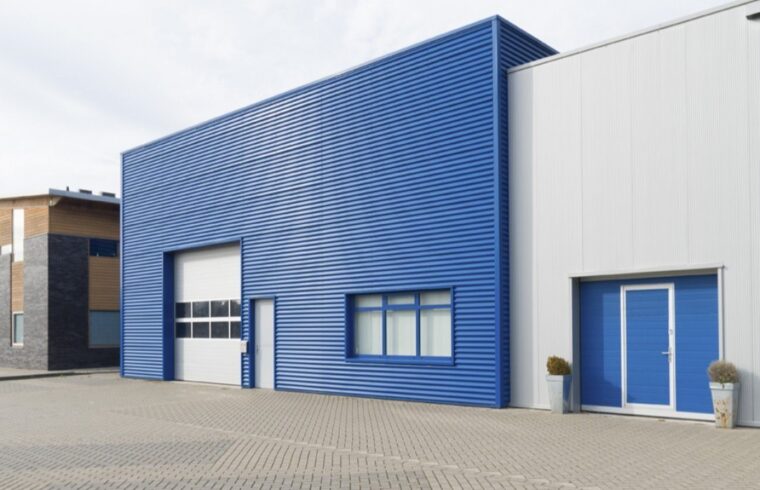
From ₹3Cr
Cipla
15 Oct 2021
3Y, 3M
Manufacturing Facility
Project Home Building Essential
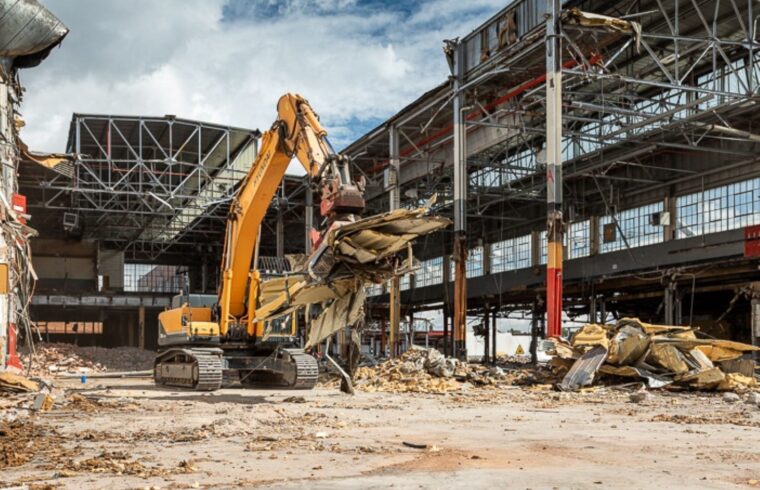
From ₹25L
John Distilleries
15 Nov 2023
1Y, 3M
Major Demolition Work
Project Home Building Essential